
Sinking of the FV CAROL ANN
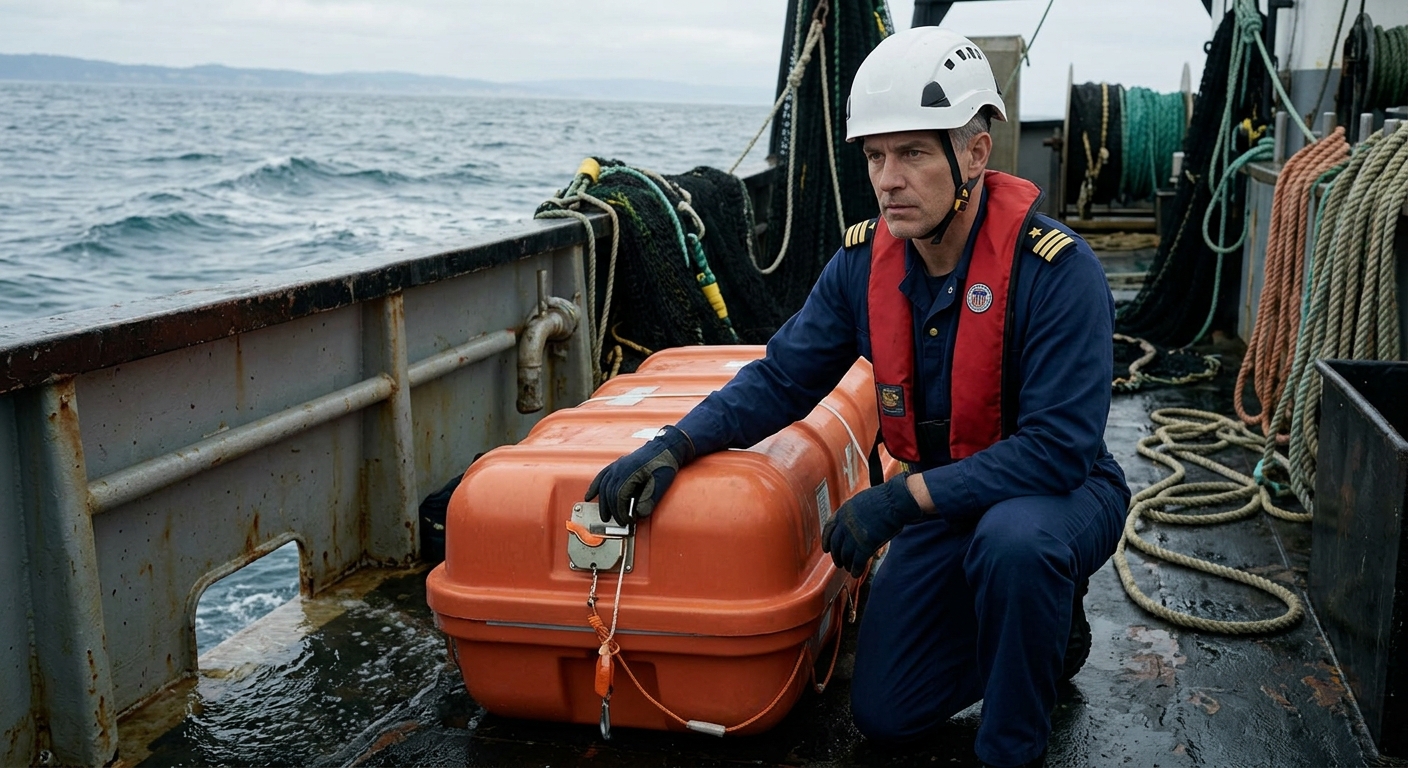
Tragedy of FV CAROL ANN: Reinforcing Critical Safety Protocols
What Happened: The commercial fishing vessel CAROL ANN, Official Number 906483, tragically sank on October 14, 2023, near Brunswick, Georgia, resulting in the presumed loss of three lives.
From the report: “Through its investigation, the Coast Guard determined the initiating event to be the F/V CAROL ANN losing stability which led to the sinking of the vessel followed by the death of the master and both deck hands. Causal factors contributing to this casualty were:
1) lack of stability requirements for vessel,
2) lack of freeing port area requirements for vessel,
3) inadequate clear aggregate area of freeing ports,
4) master’s lack of prudent seamanship,
5) master’s decision to proceed with voyage environmental conditions,
6) lack of established communication between vessel crew and owner,
7) lack of requirement for high water alarm,
8) no reasonable means to prevent vessel sinking following loss of stability,
9) master’s decision to operate vessel while not in compliance with regulations, 10) failure to have a Category 1 Emergency Position Indicating Radio Beacon (EPIRB),
11) failure to properly install EPIRB,
12) imprudent stowage of life raft,
13) no lights on lifejackets,14) failure to conduct monthly training and drills under the supervision of a person with a drill conductor card, and
15) lack of satellite phone or HF radio.”
While the full details are in the report linked below, incidents of this severe nature often stem from a catastrophic loss of watertight integrity, compromised stability, or a combination of factors exacerbated by operational demands.
The swiftness of such an event often leaves little time for effective emergency response or safe abandonment, underscoring the critical importance of preventative measures and immediate action.
Immediate Operational Checks:
- Conduct thorough daily checks of all watertight closures, including hatches, doors, and portlights, ensuring they are properly secured and gaskets are in good condition.
- Check freeing ports on deck.
- Verify the operational readiness of all bilge pumps, emergency pumps, and associated alarms. Conduct regular tests to confirm functionality and clear any obstructions.
- Review and confirm vessel stability calculations, especially prior to departure and after any significant changes in loading or ballasting.
- Ensure all crew members are aware of the vessel’s stability limits and the dangers of free surface effect.
- Inspect all emergency equipment, including life rafts, EPIRBs, and personal flotation devices, for proper stowage, serviceability, and accessibility. Ensure hydrostatic releases are current and functional.
- Ensure all crew members are proficient in emergency procedures, including abandon ship and damage control, through regular, realistic drills.
Lessons Learned:
- Proactive maintenance of hull integrity, freeing ports and all watertight boundaries is paramount to preventing catastrophic flooding.
- Comprehensive understanding and strict adherence to vessel stability limits are non-negotiable for safe operations, particularly for vessels engaged in fishing activities where loading conditions can change rapidly.
- Effective emergency preparedness, including well-rehearsed damage control and abandon ship procedures, can be the critical difference between survival and tragedy.
- Continuous vigilance, thorough watchkeeping, and immediate response to any abnormal conditions are crucial in preventing minor issues from escalating into major casualties.
Tags: Sinking, Fishing Vessel, Stability, Flooding, Loss of Life, Emergency Preparedness
Official Report
Read the full safety report here: Sinking of the Commercial Fishing Vessel CAROL ANN (O.N. 906483) and Presumed Loss of Three Lives Near Brunswick, Georgia on October 14, 2023.


